Monday, November 17, 2025

STAYCATION INSPIRATION

We call this 
STAYCATION INSPIRATION
  • Staycation Inspiration


Reprinted from Cheryl Ann Fulton

Hello,In the spirit of Goethe’s invitation, I’m sharing a poem, a beautiful painting, and a little music with you today—plus two special announcements.
A PoemI love this poem for the way it weaves together the earth’s rhythms and the heavens’ constellations, marking the turning of the seasons at the fall equinox and the start of autumn.
Fall Equinox
by Orrick JohnsI know it’s midnight when the little owlsCommence their muted woodwinds in the pines;It is September. Pegasus inclinesHis great square high where late the heavenly fowls,The Swan and Eagle, flew the galactine.I know it’s midnight of the equinoxAnd dark and light are even—and the flocksWill feel the sun stand southward on the Line.The owls’ soft conversation soon is done,And I am listening to the heavy dark;In me the slow withdrawal of the sunCrossing athwart the night has left its markThat no September’s end shall need henceforth—I turn with the equator to the north.
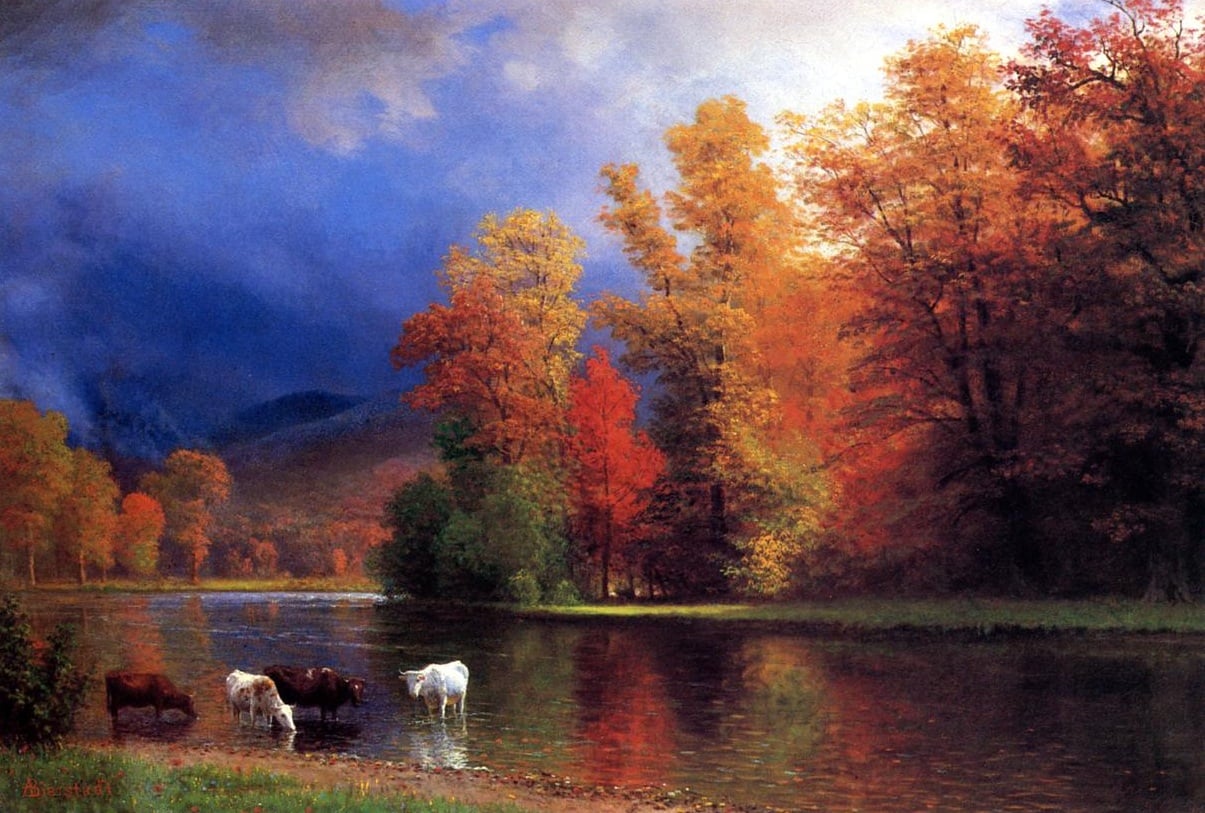
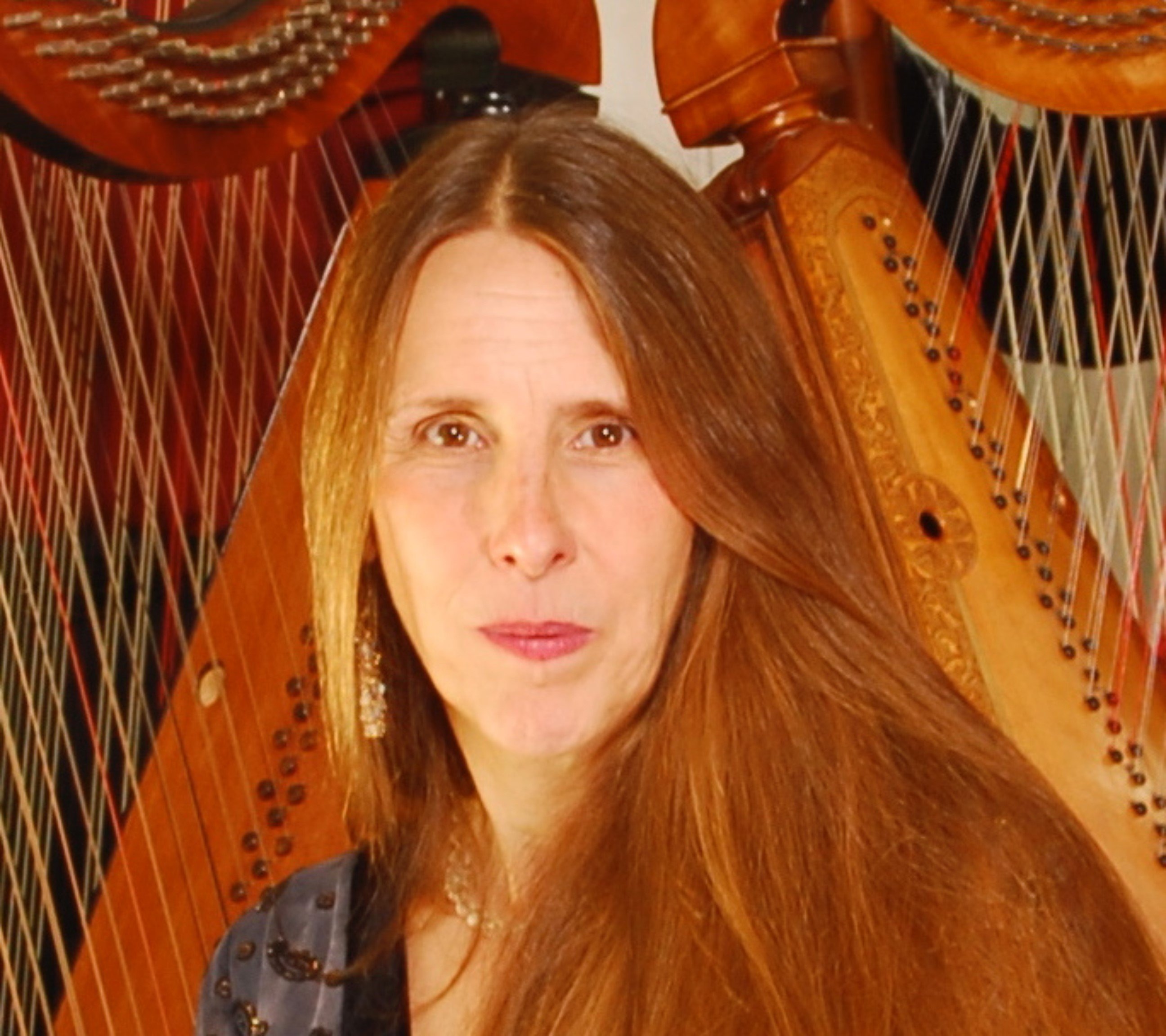
A Fine PaintingOn the Saco River in Maine by Albert BierstadtSpecial AnnouncementsFundraiser for MCMFDuring this season of gratitude, I am beginning each morning by choosing one specific thing to give thanks for. Today I’m grateful for my dear friend and harp-colleague Diana Stork—one of the most free-spirited, inspired, creative, and generous artists I know. Over the decades, Diana has been an extraordinary force for introducing children to the harp and nurturing their musical gifts.In 1989, she and her husband, Teed Rockwell—philosophy professor and musician—founded the nonprofit Multicultural Music Fellowship (MCMF). Their dedication has supported many wonderful projects including the Festival of Harps concerts, the Bay Area Youth Harp Ensemble, and music programs for children from diverse backgrounds.This month brings some exciting news:MCMF has received a $5,000 matching grant and has until December 15 to raise the matching funds.I invite you to join me in helping them reach the full amount. Any contribution—$5, $10, or whatever feels right—is deeply appreciated and will go directly toward enriching young lives through music and harp education.Learn More & DonateCOMING IN 2026:
New Harp Secrets Online CoursesTwo new online courses are on the horizon for 2026:Spring: A course taught by me on the music of Turlough O’Carolan (1670–1738)August: A medieval music course taught by Silvia Kuro and Mirko Volpe of Murmur MoriMore details will be coming soon—stay tuned!
A Little MusicAnd finally here is a little music to enjoy. Click the image below to hear my arrangement of Romanesca from The Once & Future Harp performed on my Bassett Jones Welsh Triple Harp.Before you close this email, I invite you to pause for a moment and reflect:What is one small thing, happening now,
that you feel grateful for?
It might be a sound, a scent, a moment of peace, a memory of a friend, a beloved animal companion, or even the turning of the seasons. Take a breath, notice it, and give thanks.
I hope your day is brightened by a little music, a little poetry, and a lovely picture—and that each reminds you of the beauty that surrounds us always.Wishing you an abundant Day of Thanks and see you again at the Winter Solstice.
Warmly,
CherylP.S. If you know someone who would enjoy this message, please feel free to forward and share!Cheryl Ann Fulton
Harpist, Harp Secrets™
BS, MM, DMA Indiana University
CherylAnnFulton.com
Harp Secrets5670 Nottingham Court,
El Sobrante, CA
United States of AmericaYou received this email because you signed up on our website, at an event, or are a student.Unsubscribe

Posted

in

by

admin

Tags:

Comments

Leave a Reply

STAYCATION INSPIRATION

Staycation Inspiration
View in browser 
Reprinted from Cheryl Ann Fulton

Hello,In the spirit of Goethe’s invitation, I’m sharing a poem, a beautiful painting, and a little music with you today—plus two special announcements.
A PoemI love this poem for the way it weaves together the earth’s rhythms and the heavens’ constellations, marking the turning of the seasons at the fall equinox and the start of autumn.
Fall Equinox
by Orrick JohnsI know it’s midnight when the little owlsCommence their muted woodwinds in the pines;It is September. Pegasus inclinesHis great square high where late the heavenly fowls,The Swan and Eagle, flew the galactine.I know it’s midnight of the equinoxAnd dark and light are even—and the flocksWill feel the sun stand southward on the Line.The owls’ soft conversation soon is done,And I am listening to the heavy dark;In me the slow withdrawal of the sunCrossing athwart the night has left its markThat no September’s end shall need henceforth—I turn with the equator to the north.
A Fine PaintingOn the Saco River in Maine by Albert BierstadtSpecial AnnouncementsFundraiser for MCMFDuring this season of gratitude, I am beginning each morning by choosing one specific thing to give thanks for. Today I’m grateful for my dear friend and harp-colleague Diana Stork—one of the most free-spirited, inspired, creative, and generous artists I know. Over the decades, Diana has been an extraordinary force for introducing children to the harp and nurturing their musical gifts.In 1989, she and her husband, Teed Rockwell—philosophy professor and musician—founded the nonprofit Multicultural Music Fellowship (MCMF). Their dedication has supported many wonderful projects including the Festival of Harps concerts, the Bay Area Youth Harp Ensemble, and music programs for children from diverse backgrounds.This month brings some exciting news:MCMF has received a $5,000 matching grant and has until December 15 to raise the matching funds.I invite you to join me in helping them reach the full amount. Any contribution—$5, $10, or whatever feels right—is deeply appreciated and will go directly toward enriching young lives through music and harp education.Learn More & DonateCOMING IN 2026:
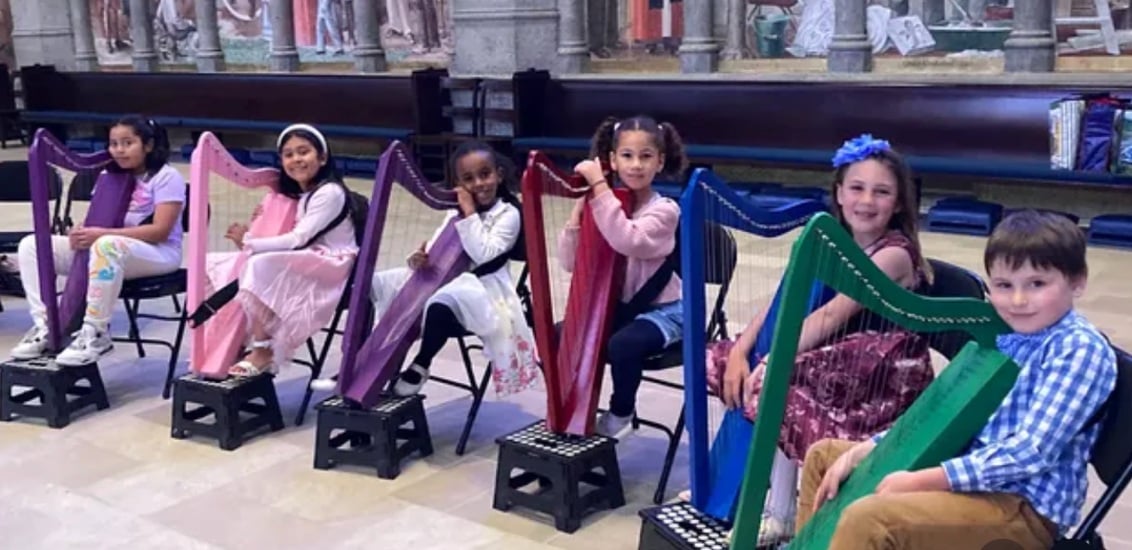
New Harp Secrets Online CoursesTwo new online courses are on the horizon for 2026:Spring: A course taught by me on the music of Turlough O’Carolan (1670–1738)August: A medieval music course taught by Silvia Kuro and Mirko Volpe of Murmur MoriMore details will be coming soon—stay tuned!
A Little MusicAnd finally here is a little music to enjoy. Click the image below to hear my arrangement of Romanesca from The Once & Future Harp performed on my Bassett Jones Welsh Triple Harp.Before you close this email, I invite you to pause for a moment and reflect:What is one small thing, happening now,
that you feel grateful for?
It might be a sound, a scent, a moment of peace, a memory of a friend, a beloved animal companion, or even the turning of the seasons. Take a breath, notice it, and give thanks.
I hope your day is brightened by a little music, a little poetry, and a lovely picture—and that each reminds you of the beauty that surrounds us always.Wishing you an abundant Day of Thanks and see you again at the Winter Solstice.
Warmly,
CherylP.S. If you know someone who would enjoy this message, please feel free to forward and share!Cheryl Ann Fulton
Harpist, Harp Secrets™
BS, MM, DMA Indiana University
CherylAnnFulton.com
Harp Secrets5670 Nottingham Court,
El Sobrante, CA
United States of AmericaYou received this email because you signed up on our website, at an event, or are a student.Unsubscribe

Posted

in

by

Tags:

Comments

Leave a Reply

Logged in as admin. Edit your profileLog out? Required fields are marked *

    Monday, April 14, 2025

    Dying Peoples' 10 Biggest Regrets


    When Regret Comes Too Late: 10 Lessons From Hospice Workers

    By Amanda Blankenship, 9 days ago

    https://img.particlenews.com/image.php?url=2EAKPB_10Bdd5X800

    Image Source: 123rf.com

    At the end of life, clarity often arrives in the form of regret. Hospice workers—who spend their days supporting the dying—have a unique front-row seat to the things people wish they’d done differently. These professionals witness final confessions, last goodbyes, and unfinished dreams. Their insight is a sobering reminder of what truly matters, and what we risk missing if we’re not careful. Here are 10 unforgettable life lessons from hospice workers—shared by those who hear what most people never say until it’s too late.

    1. People Regret Working Too Much

    One of the most consistent regrets voiced by the dying is spending too much time at work—and not enough time living. Careers and achievements that once seemed urgent often fade in importance compared to missed birthdays, skipped dinners, and lost time with loved ones.

    Hospice workers report that very few people reflect on their careers with pride; they remember moments, not meetings. Balance matters. What we chase today can easily become the thing we regret tomorrow if it pulls us away from what’s irreplaceable.

    2. They Wish They’d Expressed Their Feelings More Freely

    Many people go to their graves carrying words they never said. Hospice caregivers often hear final wishes to say “I love you,” “I’m sorry,” or even just “I’m proud of you.” Fear of rejection or conflict holds people back, but in the end, the unsaid words haunt more than any awkward moment ever could.

    Emotional honesty isn’t weakness—it’s freedom. The dying often express a deep wish that they’d been more open, more vulnerable, and more willing to say what truly mattered when they still had the chance.

    3. They Regret Letting Fear Make Their Decisions

    Fear of failure. Fear of judgment. Fear of change. Hospice workers say many people live small, safe lives—not because they want to, but because fear held them back. Whether it’s not changing careers, not leaving toxic relationships, or not traveling, people often look back wishing they’d been braver.

    Courage isn’t about being fearless—it’s about moving forward anyway. When life is short, boldness becomes more important than perfection. The regret of “what if” is one of the heaviest burdens at the end.

    4. They Wish They’d Kept in Touch With Friends

    Life gets busy, and relationships fall by the wayside. But in their final days, many people express deep sadness about losing touch with old friends. Hospice staff often hear dying patients ask for people they haven’t spoken to in years, wishing they had reached out sooner.

    Friendship is one of life’s greatest emotional supports. Small check-ins, reunions, or messages can mean everything. People don’t regret making the effort—they regret not making it soon enough.

    5. They Regret Not Living Their Own Truth

    Living to please others is a common thread among the dying. Hospice workers note that many people followed someone else’s expectations—their parents’, society’s, or even their partner’s—and ended up living lives that didn’t fully reflect who they were.

    From staying in the wrong job to hiding their identity, this regret often surfaces with pain and longing. In the end, being true to yourself matters more than being accepted by everyone else. Authenticity is one of the few things people never regret.

    6. They Wish They’d Lived More in the Moment

    So many people spend their lives waiting for the weekend, the next vacation, or retirement—only to discover they missed the present. Hospice workers often hear patients say they wish they had slowed down, appreciated the little things, and truly lived in the now.

    The smell of coffee. The sound of laughter. A quiet evening at home. These are the moments people remember. And often, it’s only in dying that they realize how sacred those ordinary moments really were.

    7. They Regret Holding Grudges

    Grudges are heavy, and at the end of life, many people wish they’d let go sooner. Hospice staff describe moments where people spend their final hours trying to contact estranged family members or expressing sorrow for long-held bitterness.

    Forgiveness is more for the giver than the receiver. It creates peace, even if the other person never asks for it. When it’s too late to make amends, the pain of unfinished healing lingers.

    8. They Wish They’d Taken Better Care of Their Bodies

    Physical health may not seem like a priority when you’re young, but it becomes all-consuming when it’s failing. Hospice workers often hear patients say they regret not quitting smoking, eating healthier, or moving their bodies more when they could.

    Your body is the vessel through which you experience life, and when it breaks down, your world shrinks. Small, consistent care pays off. The dying often wish they’d respected their health earlier, not just when it became a crisis.

    9. They Regret Not Making Time for Joy

    Many people spend so much of their lives being “productive” that they forget to just be happy. Hospice workers share that some of the most surprising regrets involve not having more fun—laughing, dancing, creating, or playing.

    Joy isn’t trivial. It’s essential. People don’t lie on their deathbeds wishing they’d cleaned more or earned more. They wish they’d laughed more, celebrated more, and embraced moments of spontaneous joy.

    10. They Wish They’d Spoken Up for Themselves

    From staying silent during unfair treatment to avoiding conflict to keep the peace, the dying often express sorrow for not standing up for themselves. Hospice workers hear stories of swallowed opinions, unvoiced boundaries, and lost chances for self-advocacy.

    Speaking your truth is a form of self-respect. Even if it doesn’t change the outcome, it changes your relationship with yourself. At the end, people rarely regret being honest—but they do regret staying quiet.

    Start Living the Way You Want to Be Remembered

    Hospice workers have the unique and humbling task of witnessing life’s final lessons in real time. The common thread? Most regrets come from what wasn’t done, not what was. Don’t wait for permission or the “right time” to live with intention, love, and boldness.

    Read More

    6 Financial Decisions You’ll Regret in 10 Years

    Instant Regret: 9 Cities That You’ll Regret Purchasing A Home In

    The post When Regret Comes Too Late: 10 Lessons From Hospice Workers appeared first on Everybody Copy Link

    Everybody
    9.4k Followers
    Everybody Loves Your Money
    Living for today, planning for tomorrow.